Office Address
Eastern bypass Kamakis, Capital One Plaza, Second Floor, Office No.S3
Phone Number
+254 722 777181
Email Address
info@skyriseelevator.co.ke
sales@skyriseelevator.co.ke
Eastern bypass Kamakis, Capital One Plaza, Second Floor, Office No.S3
+254 722 777181
info@skyriseelevator.co.ke
sales@skyriseelevator.co.ke


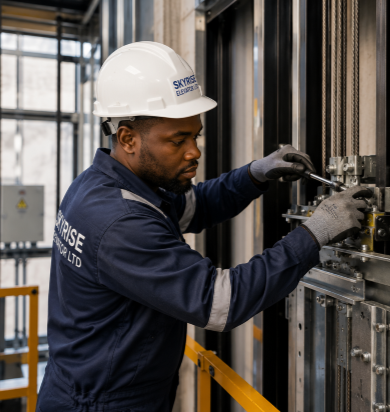
 by Skyrise Elevator Ltd.
A home is more than just a place to live—it's where families grow, memories are made, and comfort matters most. As more homeowners across Kenya invest in multi-storey residences, accessibility is becoming an important consideration during both construction and renovation.
Whether you're building a new maisonette in Nairobi, upgrading a villa in Mombasa, or renovating a family home in Kisumu, installing a home lift can dramatically improve convenience, safety, and long-term property value.
However, like any major home improvement project, a residential elevator installation requires careful planning. Small oversights can lead to unnecessary costs, delays, structural challenges, or even safety concerns.
At Skyrise Elevator Ltd., we've helped homeowners, architects, developers, and contractors deliver successful elevator installations across Kenya. Based on our experience, we've compiled this guide highlighting the 25 most common home lift installation mistakes—and how you can avoid them.
Home elevators are no longer exclusive to luxury mansions. Today, they are becoming a practical investment for families who want safer, more accessible homes.
A residential elevator offers:
With modern designs requiring minimal space and offering energy-efficient operation, home lifts have become an increasingly attractive feature in Kenyan homes.
One of the biggest mistakes homeowners make is selecting a lift based solely on appearance or price.
Every home is different.
Before choosing a model, consider:
The right lift should complement both your home's architecture and your family's lifestyle.
A home elevator becomes part of your building's structure.
Before installation begins, qualified engineers should inspect:
This assessment helps identify potential issues before construction starts, saving both time and money.
Depending on the nature of your project, structural modifications may require approvals from the relevant county authorities.
Failing to obtain the necessary approvals can delay your project and increase costs.
An experienced elevator company should advise you on any approvals required before installation begins.
Modern home elevators rely on a stable electrical supply.
Before installation, ensure your property has:
Professional electrical planning improves both safety and long-term reliability.
Accessibility doesn't begin inside the elevator.
Ask yourself:
A well-designed accessibility solution considers the entire journey—not just vertical movement.
Choosing the cheapest quotation can become the most expensive decision.
A reputable installer offers:
When comparing quotations, evaluate the overall value—not just the initial cost.
Successful installations require constant communication between:
Regular project meetings help identify issues before they become costly delays.
Many homeowners only budget for the lift itself.
Additional costs may include:
Setting aside a contingency budget helps avoid surprises.
Like any mechanical system, elevators require regular servicing.
Preventive maintenance:
Always choose an installer who provides long-term maintenance support.
Understand exactly what your warranty includes.
Ask questions about:
Clear warranty terms provide peace of mind long after installation.
A home lift is a long-term investment.
Consider future requirements such as:
Planning ahead saves expensive upgrades later.
Today's residential elevators can enhance your home's appearance.
Choose finishes that complement your interior, including:
A well-designed lift becomes a feature—not an eyesore.
Installing a residential elevator may affect your homeowner's insurance.
Inform your insurer after installation and ensure your policy reflects any increase in property value.
Many homeowners assume home lifts must be paid for upfront.
Ask your installer about:
Spreading costs may make installation more affordable than expected.
After installation, every household member should understand:
Proper user training improves both confidence and safety.
A professionally installed residential elevator can make your home more attractive to future buyers.
As accessibility becomes increasingly important, homes with elevators are likely to appeal to a broader market.
Clear the work area before technicians arrive.
Removing furniture and protecting surrounding finishes helps the installation proceed safely and efficiently.
Scheduling multiple construction projects simultaneously often creates delays.
Coordinate your renovation timeline carefully to avoid unnecessary disruption.
Never accept handover without thoroughly inspecting the lift.
Check:
A quality home elevator should include:
Safety should never be optional.
Modern elevators are designed for quiet operation.
Before purchasing, ask to see demonstration installations or request a site visit to experience the lift in operation.
Regular maintenance keeps your elevator operating safely.
Professional servicing identifies minor issues before they become expensive repairs.
Never attempt to repair an elevator yourself.
Always contact qualified technicians.
Unauthorized repairs can compromise safety and invalidate your warranty.
Ask about emergency lowering systems and backup power options.
These features ensure passengers can exit safely during power interruptions.
A home lift isn't simply another household appliance.
It's an investment in:
With proper planning and professional installation, your elevator will serve your family for many years.
Modern residential elevators are available in compact designs suitable for both new homes and existing properties.
Yes. Many systems are specifically designed for retrofit installations with minimal structural changes.
Professional maintenance should be carried out at least once or twice a year, depending on usage and manufacturer recommendations.
Modern systems include emergency lowering features and backup power options to ensure passenger safety.
Yes. A professionally installed residential elevator improves accessibility, enhances convenience, and can increase the market appeal of your property.
At Skyrise Elevator Ltd., we deliver more than elevators—we provide reliable vertical mobility solutions designed around your lifestyle.
Our services include:
From consultation and design to installation and long-term maintenance, our experienced engineers ensure every project meets the highest standards of safety, quality, and performance.
Whether you're building a new home or upgrading an existing property, Skyrise Elevator Ltd. is your trusted partner for premium residential elevator solutions in Kenya.
Contact our team today to schedule a consultation and discover how a home lift can improve your home's accessibility, convenience, and value.